Why These Two Cause Confusion
Semax and GHK-Cu trip up beginners for different reasons:
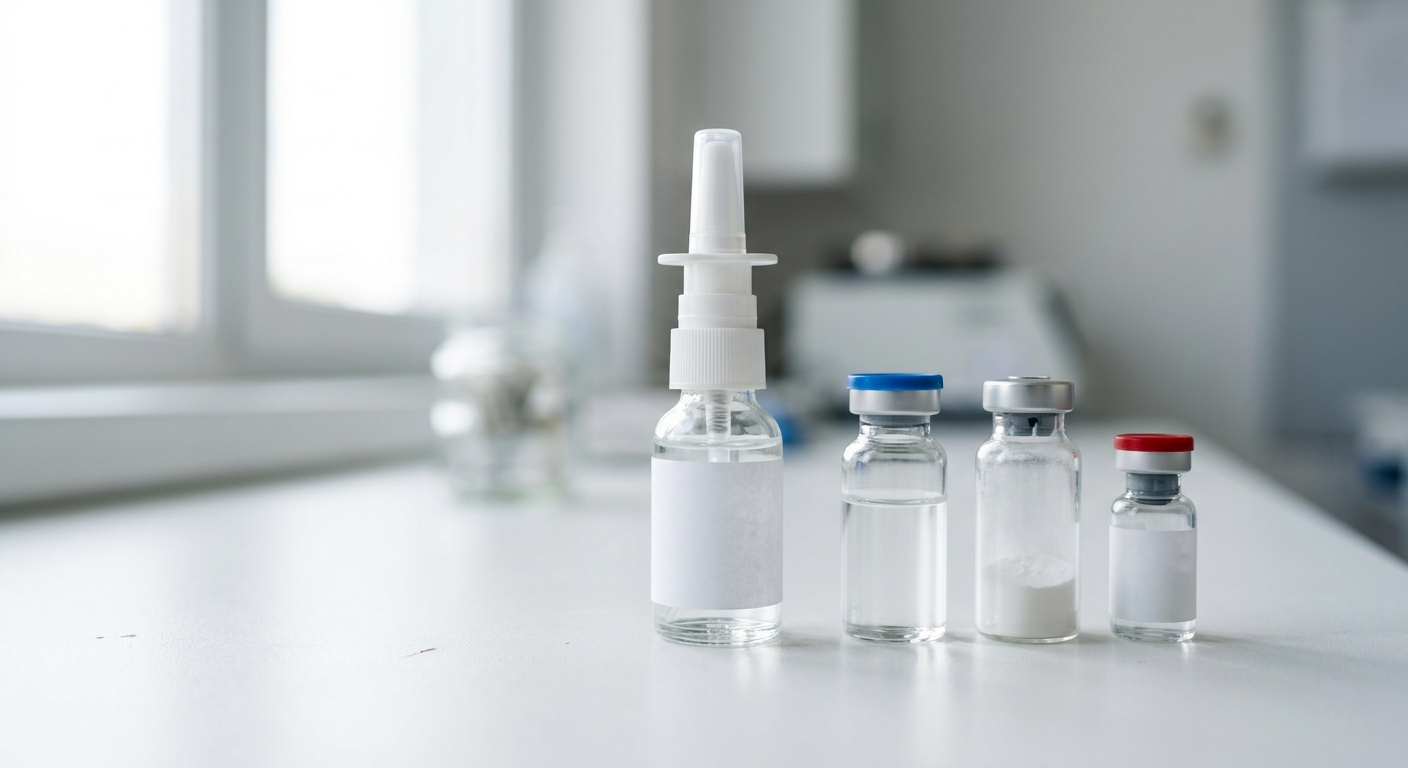
Semax is typically administered nasally, not injected. This changes how you think about reconstitution - you're creating a nasal spray, not an injectable solution.
GHK-Cu comes in larger vial sizes (50mg, 100mg) compared to most peptides (5mg, 10mg). The math is the same, but the numbers look different and people second-guess themselves.
Let's clear this up for both.
Semax: The Nasal Nootropic
What Semax Is
Semax is a synthetic peptide derived from ACTH (adrenocorticotropic hormone). It's primarily researched for cognitive enhancement, neuroprotection, and focus. Unlike most peptides, Semax is designed for intranasal administration - the peptide crosses the blood-brain barrier more effectively through nasal mucosa.
Semax Reconstitution (10mg Vial)
For a 10mg Semax vial:
Option 1: 2ml BAC water
Option 2: 1ml BAC water
The Math:
```
Total peptide (mcg) ÷ Total water (ml) = Concentration (mcg/ml)
10,000mcg ÷ 2ml = 5,000mcg/ml
```
Use our peptide calculator to adjust for your specific vial size.
Semax Typical Dosing
Common research protocols use 200-600mcg per nostril, 1-2 times daily.
Example with 2ml reconstitution (5,000mcg/ml):
Most nasal spray bottles deliver approximately 0.1ml per spray. So with 5,000mcg/ml concentration, one spray = ~500mcg.
Creating the Nasal Spray
You'll need:
Steps:
Important: Use a spray bottle designed for peptides/medications, not a random empty bottle. These are calibrated to deliver consistent volumes.
Semax vs. Selank
Both are nasal nootropic peptides, often used together:
Same reconstitution principles apply to both. See our Semax/Selank guide for detailed protocols.
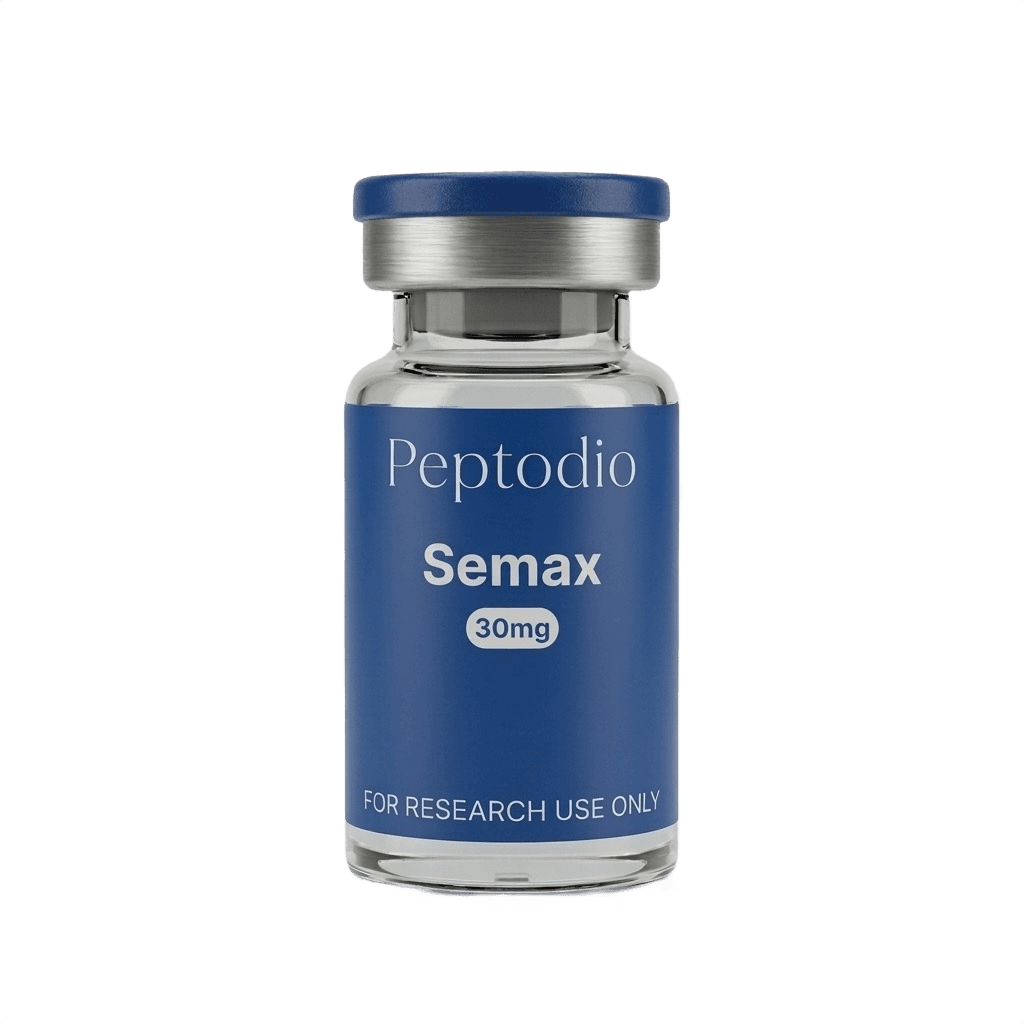
Semax
30mg • 99%+ Purity
GHK-Cu: The Copper Peptide
What GHK-Cu Is
GHK-Cu (glycyl-L-histidyl-L-lysine with copper) is a naturally occurring peptide that declines with age. It's researched for:
GHK-Cu can be used topically, subcutaneously, or in some cases intravenously in research settings.
GHK-Cu Reconstitution (100mg Vial)
For a 100mg GHK-Cu vial (common large size):
Option 1: 4ml BAC water
Option 2: 2ml BAC water
Option 3: 5ml BAC water
The Math:
```
100,000mcg ÷ 4ml = 25,000mcg/ml
100,000mcg ÷ 400 units = 250mcg per unit
```
For Smaller GHK-Cu Vials (50mg)
50mg vial with 2ml BAC water:
Same target concentration, just half the volume.
GHK-Cu Typical Dosing
Research protocols commonly use 1-4mg daily, depending on application:
Systemic (subcutaneous):
Example with 25mg/ml concentration:
Enjoying this article?
Subscribe to get notified when we publish new experiment reports and research findings.
No spam, unsubscribe anytime.
See our GHK-Cu copper peptide guide for detailed protocols.
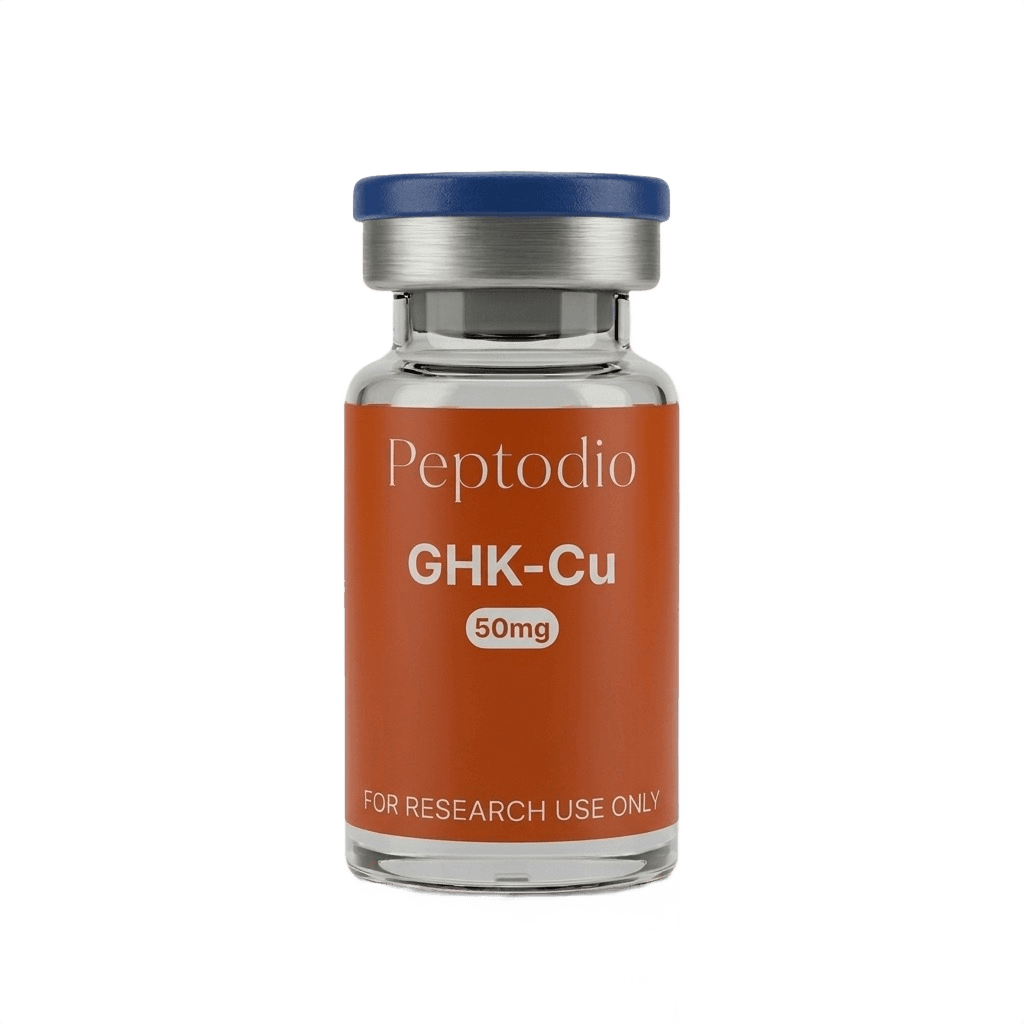
GHK-Cu
50mg • 99%+ Purity
Why the Vial Might Look "Pre-Reconstituted"
A common question from the thread: "Why does it already look reconstituted?"
Some peptides, especially GHK-Cu, can appear slightly different than typical white lyophilized powder:
As long as the vial was sealed and stored properly, the appearance is fine. If there's actual liquid in an "unreconstituted" vial, that's a problem - contact the supplier.
The Syringe Situation
The thread mentioned using the wrong syringe. Here's the breakdown:
For Reconstituting (adding water to vial)
A 3ml syringe works fine - you're just transferring water. Doesn't need to be precise to the unit.
For Dosing Peptides
Insulin syringes (1ml/100 unit) are standard:
Smaller syringes (30-50 unit) give better precision for small doses but fill up quickly with larger volumes.
For Nasal Application (Semax)
You're not using a syringe for administration - you're using a nasal spray bottle. The syringe is only for transferring the solution.
See our insulin syringe guide for more detail.
The Crimp Cap Question
Someone in the thread asked why not to remove the aluminum ring. Here's why:
The crimp cap (aluminum ring) holds the rubber stopper securely in place. If you remove it:
Proper technique: Leave the crimp cap on. Only remove the plastic flip-top. Insert your needle through the rubber stopper. That's what it's designed for.
Quick Reference Table
| Peptide | Vial Size | BAC Water | Concentration | 1mg Dose |
|---|---|---|---|---|
| Semax | 10mg | 2ml | 5mg/ml | 0.2ml (20 units) |
| Semax | 10mg | 1ml | 10mg/ml | 0.1ml (10 units) |
| GHK-Cu | 50mg | 2ml | 25mg/ml | 4 units |
| GHK-Cu | 100mg | 4ml | 25mg/ml | 4 units |
| GHK-Cu | 100mg | 2ml | 50mg/ml | 2 units |
Step-by-Step: Semax 10mg
Step-by-Step: GHK-Cu 100mg
Common Mistakes
Using too little water
Yes, you can reconstitute 100mg GHK-Cu in 1ml. But then each unit is 1mg, and small measurement errors become big dosing errors. More water = more forgiveness.
Not letting it fully dissolve
Don't rush. Let the powder dissolve completely before use. Swirl gently if needed - no shaking.
Removing the crimp cap
Leave it on. Only remove the flip-top.
Using the wrong container for Semax
Random spray bottles aren't calibrated. Use a proper nasal spray bottle designed for medications.
Storing at room temperature
Both should be refrigerated after reconstitution. 4-6 weeks stability with BAC water.
Do You Really Need to Ask?
The thread had some harsh responses about "basic questions." Here's our take:
Everyone starts somewhere. The math is simple once you understand it, but the first time is always confusing. That's why calculators and guides exist.
The formula is always the same:
```
Concentration = Total peptide ÷ Total water
Dose volume = Desired dose ÷ Concentration
```
Use our peptide calculator until the math becomes automatic. No shame in double-checking.
Nootropic & Skin Peptides
View All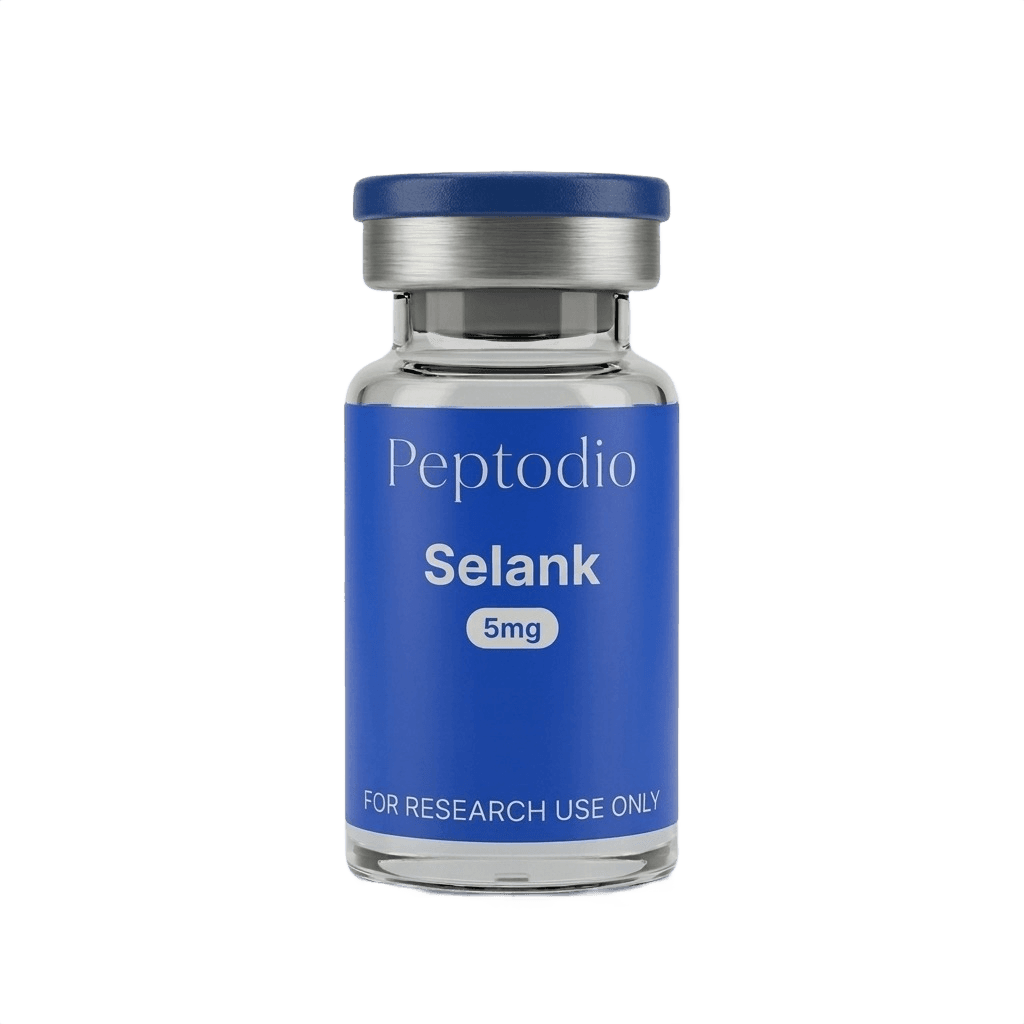
Related Resources
Questions about specific peptides? Check the [learning hub](/learn) or use the [peptide planner](/peptide-planner) to find what fits your research goals.
Disclaimer: This article is for informational purposes only. Peptides are sold for research purposes and are not intended for human consumption.