

What is PT-141?
PT-141, also known as bremelanotide, is a synthetic melanocortin peptide that selectively activates melanocortin-4 receptors (MC4R). Originally developed from Melanotan 2 research, PT-141 was specifically designed to maintain MC4R activity while minimizing the pigmentation effects associated with MC1R activation.
In 2019, the FDA approved bremelanotide (Vyleesi) for hypoactive sexual desire disorder (HSDD) in premenopausal women, making it the first MC4R-targeting peptide approved for this indication.
Development History
From Melanotan 2 to PT-141
PT-141's development illustrates targeted peptide modification:
Melanotan 2:
PT-141 Development:
Key Modification:
PT-141 is a cyclic heptapeptide with sequence modifications that shift receptor selectivity toward MC4R.
Timeline
Mechanism of Action
Melanocortin-4 Receptor (MC4R)
MC4R is expressed throughout the central nervous system:
Location:
Functions:
How PT-141 Works
Central Mechanism:
Key Distinction:
Unlike PDE5 inhibitors (sildenafil, tadalafil), PT-141 works through the central nervous system rather than peripheral vascular effects.
Receptor Selectivity
| Receptor | MT2 Activity | PT-141 Activity |
|---|---|---|
| MC1R | High (pigmentation) | Low |
| MC3R | Moderate | Low |
| MC4R | High | High (target) |
| MC5R | Low | Low |
Peptide Profile
| Property | Details |
|---|---|
| Full Name | PT-141 / Bremelanotide |
| Trade Name | Vyleesi (FDA approved form) |
| Sequence | Ac-Nle-cyclo[Asp-His-D-Phe-Arg-Trp-Lys]-OH |
| Molecular Weight | ~1,025 g/mol |
| Type | Cyclic heptapeptide |
| Purity | 99%+ (HPLC verified) |
| Form | Lyophilized powder |
| Administration | Subcutaneous (research) |
Clinical Research
Pivotal Trials
RECONNECT Studies (Phase 3):
| Parameter | PT-141 | Placebo |
|---|---|---|
| Desire Improvement | 25% increase | 17% increase |
| Responder Rate | 35% | 31% |
| Satisfying Events | Increased | — |
| Distress Reduction | Significant | Less |
Study Design:
FDA Approval (2019)
Vyleesi Approval:
Other Research Areas
Male Sexual Function:
Other Applications Under Study:
PT-141 vs Melanotan 2: Comparison
Key Differences
| Aspect | PT-141 | MT2 |
|---|---|---|
| Receptor Selectivity | MC4R focused | Non-selective |
| Pigmentation | Minimal | Significant |
| FDA Status | Approved (Vyleesi) | Research only |
| Primary Use | Sexual function | Pigmentation |
| Administration | SC injection | SC injection |
Relationship
PT-141 was derived from MT2 to isolate specific effects:
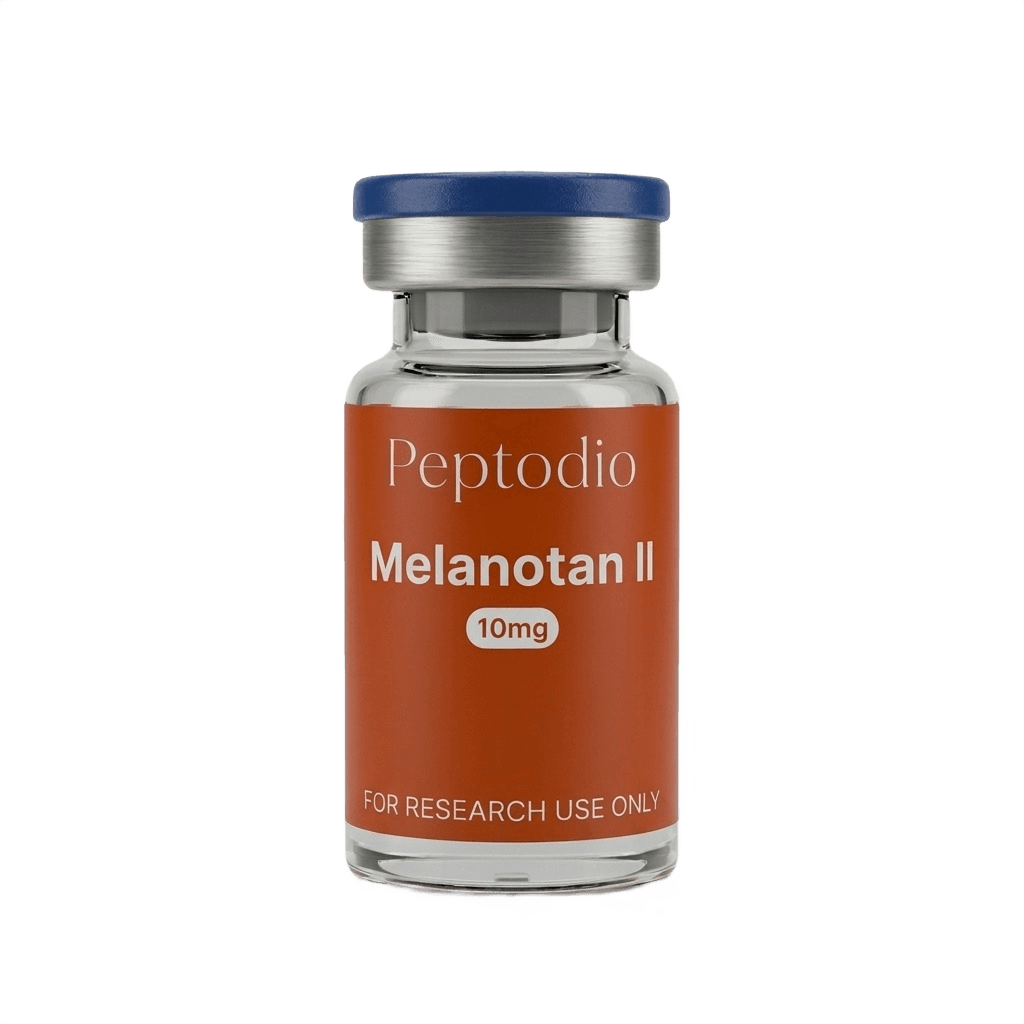
See our Melanotan 2 guide for comparison.
Dosage Protocols in Research
Reconstitution
PT-141 requires reconstitution from lyophilized form:
Enjoying this article?
Subscribe to get notified when we publish new experiment reports and research findings.
No spam, unsubscribe anytime.
Standard Protocol:
| Vial Size | Bacteriostatic Water | Concentration |
|---|---|---|
| 10mg | 2ml | 5mg/ml (5000mcg/ml) |
Procedure:
Use our peptide calculator for precise measurements.
Clinical Dosing Reference
FDA-Approved Dosing (Vyleesi):
Research Considerations
Storage Guidelines
Lyophilized Form
Optimal Storage:
Reconstituted Solution
Requirements:
See our storage guide.
Safety Profile
Clinical Trial Observations
Common Effects (>10% in trials):
Less Common:
Nausea Management:
Contraindications (FDA Labeling)
Blood Pressure Effects
Administration Methods
Subcutaneous Injection
Standard Method:
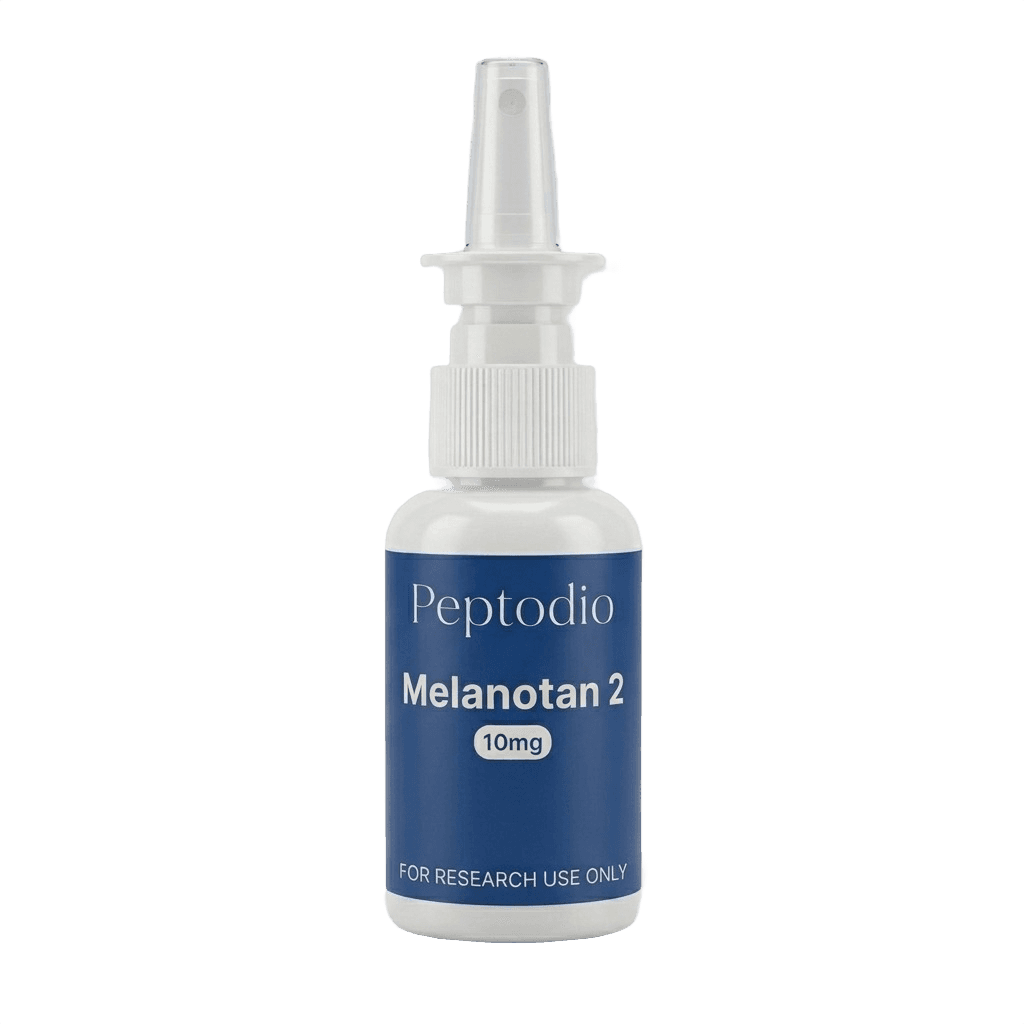
Nasal Administration (Research)
Nasal formulations are discussed in the research literature mainly for their
pharmacokinetics rather than as an equivalent substitute for the injectable form.
Frequently Asked Questions
What is the difference between PT-141 and Melanotan 2?
PT-141 was developed from Melanotan 2 to isolate MC4R effects while minimizing pigmentation (MC1R activity). PT-141 has higher MC4R selectivity and minimal pigmentation effects, while MT2 activates multiple melanocortin receptors causing significant tanning. PT-141 is FDA-approved; MT2 is research only.
How does PT-141 work differently than PDE5 inhibitors?
PT-141 works centrally through the brain (MC4R receptors) to influence desire and arousal. PDE5 inhibitors (sildenafil, tadalafil) work peripherally by affecting blood flow. PT-141 addresses psychological/desire components while PDE5 inhibitors address vascular/physical components.
What is the onset time for PT-141?
Clinical data shows effects beginning approximately 45 minutes after subcutaneous injection. The FDA-approved dosing recommends administration 45 minutes before anticipated activity. Effects can last several hours.
Is PT-141 FDA approved?
Yes, bremelanotide (brand name Vyleesi) is FDA-approved for hypoactive sexual desire disorder (HSDD) in premenopausal women. The approval was granted in 2019. Research-grade PT-141 is available for laboratory purposes.
What are the main side effects?
Nausea is the most common side effect (40% in trials), followed by flushing (20%), injection site reactions, and headache. Nausea typically decreases with subsequent doses. Transient blood pressure increase is possible.
Can PT-141 be used nasally?
Intranasal administration has been studied in research settings with faster absorption but variable bioavailability. The FDA-approved form is subcutaneous injection only. Nasal research formulations are available for laboratory use.
Related Resources
Conclusion
PT-141 represents a milestone in melanocortin peptide research, demonstrating how targeted modifications can isolate specific receptor effects. Its FDA approval validates the MC4R pathway for central nervous system research, while its development from MT2 illustrates structure-activity optimization.
For researchers, PT-141 offers a well-characterized tool for studying melanocortin signaling, sexual behavior, and CNS peptide pharmacology.
Use our calculator for accurate research preparation.
Related Peptides
This article is for informational purposes only. PT-141 is sold for research purposes. The FDA-approved form (Vyleesi) requires a prescription. All research should be conducted in accordance with applicable regulations.