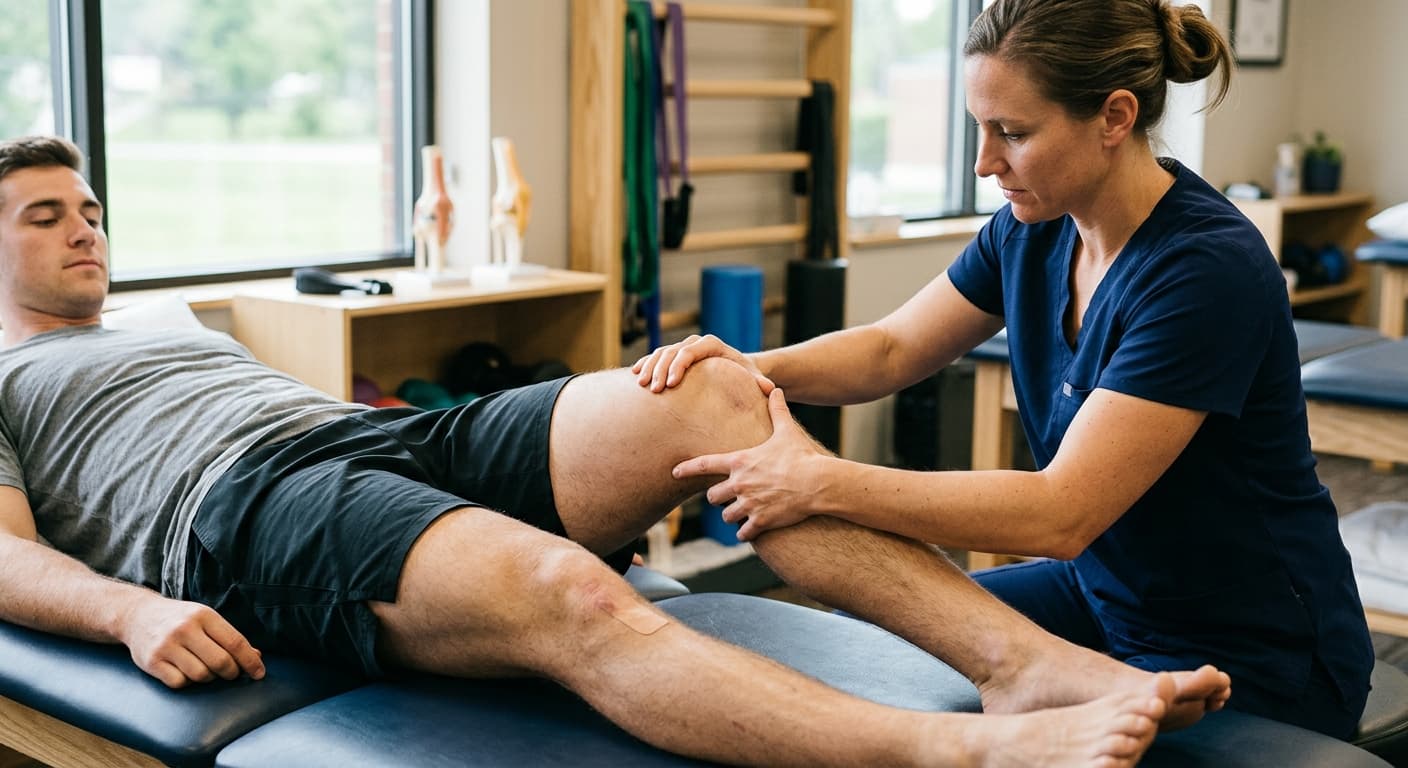

The Post-Surgery Dilemma
You're 6-8 weeks post-op. Maybe it was a back surgery, a joint repair, or something else that put you on the sidelines. You've been careful, followed doctor's orders, and now you're finally cleared for activity.
But here's the problem: you've lost muscle. Weeks of limited movement, reduced protein synthesis, and decreased activity have taken their toll. Meanwhile, you've been trying not to gain fat during recovery - maybe you're already on something like retatrutide or semaglutide to manage that.
Now you want to know: what peptides can help you rebuild muscle, support healing, and maintain the leanness you've worked for?
Let's break this down by goal.
Goal 1: Support Tissue Healing
Even if you're "cleared for activity," your body is still healing internally. Surgical sites, affected tissues, and surrounding areas continue remodeling for months after the procedure.
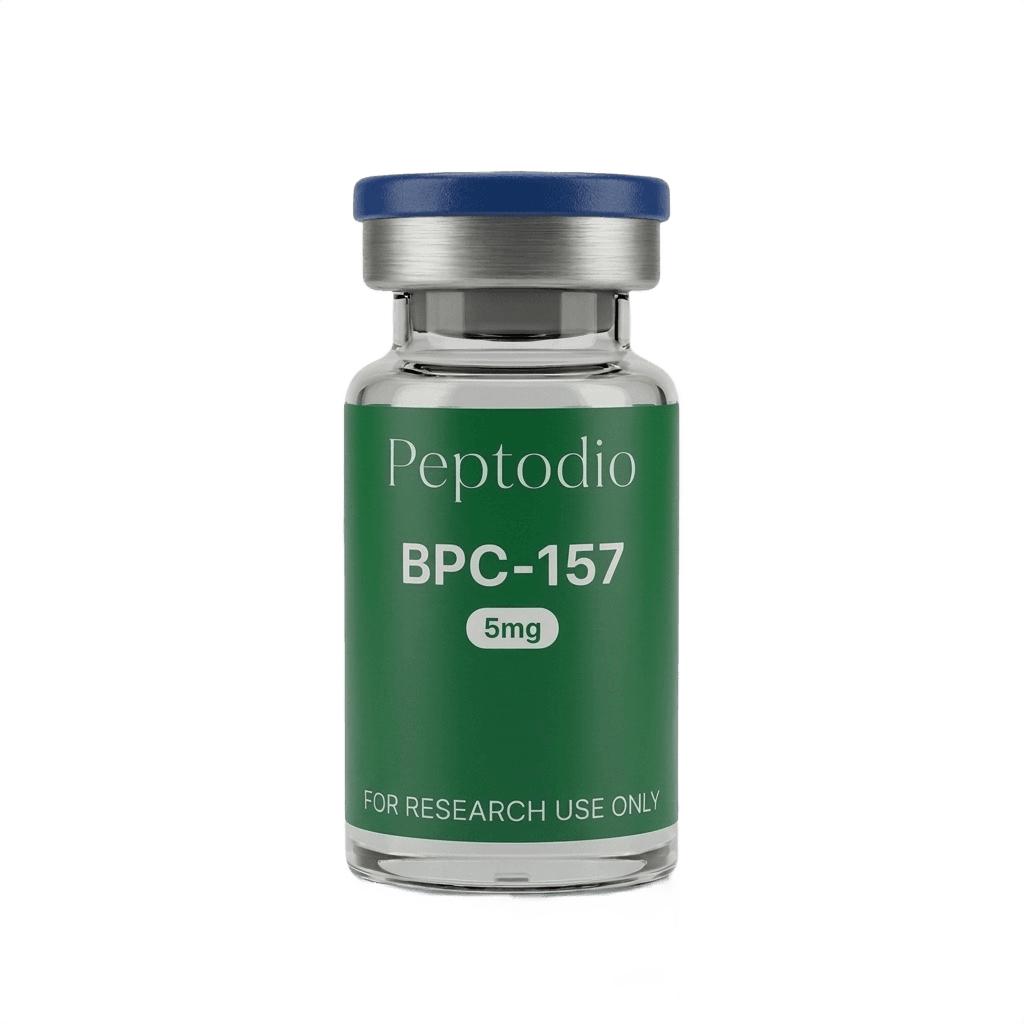
BPC-157: The Healing Workhorse
BPC-157 is the most researched peptide for tissue repair. It works through multiple mechanisms:
For post-surgical recovery, BPC-157 is often the first peptide people consider - and for good reason. The research literature on wound healing, tendon repair, and tissue regeneration is extensive.
Typical research protocols: 250-500mcg daily, often split into two doses. Can be administered subcutaneously near the surgical site or systemically.
TB-500: Systemic Healing Support
TB-500 (Thymosin Beta-4) works differently than BPC-157:
TB-500 is often described as more "systemic" in its effects compared to BPC-157's localized action. Many researchers use both together for comprehensive healing support.
Typical research protocols: 2-2.5mg twice weekly during loading phase, then 2-2.5mg weekly for maintenance.
For those who want both, we offer a BPC/TB stack that simplifies the protocol.
The BPC + TB Combination
These two peptides work through different mechanisms:
Combined, they cover more healing pathways than either alone. This is why stacking them has become common in recovery-focused protocols.
See our detailed guides: BPC-157 research guide | TB-500 research guide
Goal 2: Rebuild Muscle / Prevent Further Loss
Muscle loss during recovery is frustrating. You worked hard for that tissue, and watching it disappear while you're forced to rest is demoralizing.
GH Secretagogues: CJC-1295 + Ipamorelin
Growth hormone plays a direct role in:
At 40+, your natural GH production is significantly below peak levels. Unlike a 23-year-old whose system is running at full capacity, you have real room for optimization.
CJC-1295 extends growth hormone release windows. Ipamorelin triggers clean GH pulses without spiking cortisol or prolactin. Together, they create amplified, sustained GH elevation.
Benefits for post-surgery muscle rebuilding:
Typical research protocols: 100-200mcg of each, dosed together before bed on an empty stomach.
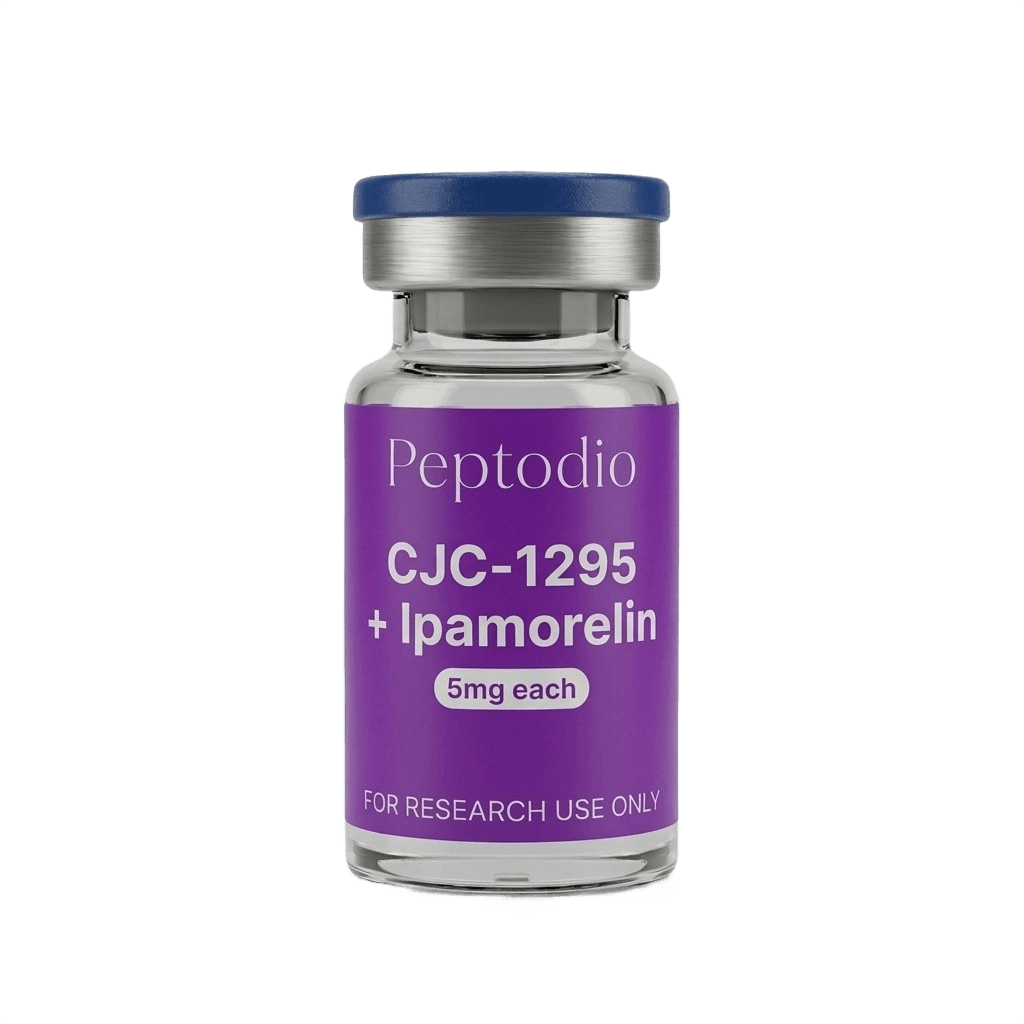
We covered this stack in depth in our CJC/Ipamorelin sleep and recovery article.
Why GH Secretagogues Make Sense at 40+
In your 20s, we often tell people to focus on basics first - natural GH production is near peak.
At 40+, the equation changes:
This is exactly when GH secretagogues provide meaningful benefit. The same dose that might give a 23-year-old marginal improvement can give a 41-year-old noticeable results.
Goal 3: Stay Lean While Rebuilding
If you are already running retatrutide, that works in your favour here - it helps prevent fat gain while activity is limited.
Understanding Retatrutide's Role
Retatrutide is a triple agonist (GLP-1/GIP/glucagon). It:
For post-surgery recovery, this helps you maintain leanness even when you can't train. As you return to activity, you can consider adjusting your dose or eventually cycling off as your activity level supports your goals naturally.
See our retatrutide research guide for detailed protocols.
The Recomp Stack Concept
"Recomp" - losing fat while gaining muscle - is notoriously difficult. But certain conditions make it more achievable:
Peptides can support conditions 1 and 2. You still have to handle 3 and 4 yourself.
A reasonable recomp-focused stack might include:
This covers: fat management, muscle protein synthesis, recovery, and tissue repair.
Enjoying this article?
Subscribe to get notified when we publish new experiment reports and research findings.
No spam, unsubscribe anytime.
Goal 4: Overall Health and Longevity
Some peptides aren't about immediate body composition but about broader health markers.
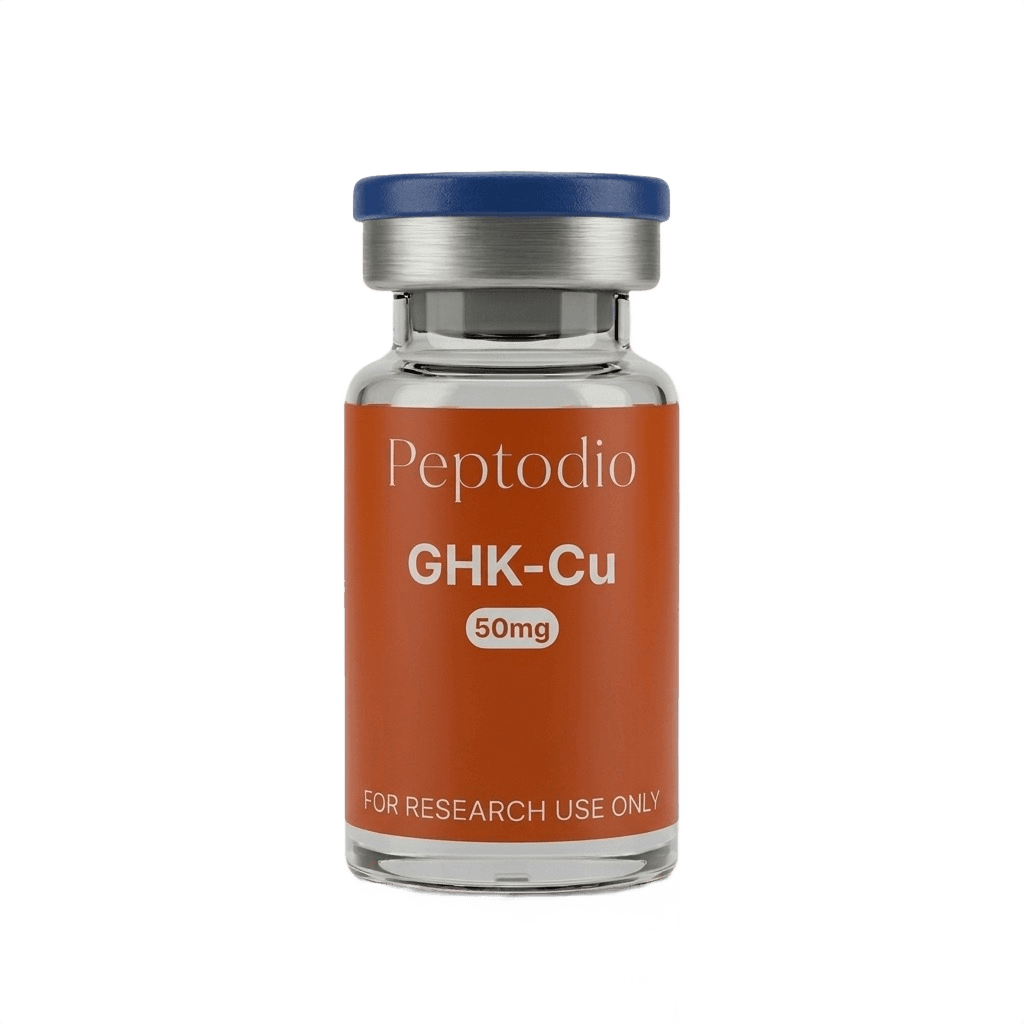
GHK-Cu: Skin, Collagen, Systemic Health
GHK-Cu (copper peptide) isn't typically thought of as a "gym peptide," but it supports:
For someone recovering from surgery, the collagen and wound healing support can be valuable. It's also one of the more researched "anti-aging" peptides.
Epithalon: The Telomere Angle
Epithalon works on telomerase activation - the enzyme that maintains telomere length. This is more of a long-term, health-optimization play than an immediate recovery tool.
Some researchers include it in longevity-focused protocols, typically in short cycles.
See our epithalon research guide.
Building Your Protocol
Here's how to think about constructing a post-surgery recovery stack:
Phase 1: Healing Focus (Weeks 1-8 post-clearance)
Primary: BPC-157 (daily)
Optional add: TB-500 (twice weekly)
Continue: Your existing metabolic support (retatrutide/semaglutide)
Focus is on completing tissue healing while maintaining body composition.
Phase 2: Rebuilding Focus (Weeks 8+)
Primary: CJC-1295/Ipamorelin (nightly)
Continue: BPC-157 (can taper or continue based on how you feel)
Continue/Adjust: Metabolic support as activity increases
Focus shifts to muscle protein synthesis, recovery from progressive training, and body recomposition.
Timing Considerations
These don't compete for timing. BPC in the morning, CJC/Ipa at night, retatrutide on your chosen day.
What About Testosterone?
Yes, the elephant in the room. The Reddit response of "testosterone" isn't wrong - at 41, if your T levels are suboptimal, addressing that will likely provide more benefit than any peptide stack.
Peptides and TRT aren't mutually exclusive. Many people use both. But if you haven't had bloodwork recently, that's worth checking before adding complexity.
Peptides excel at:
They're complementary to, not replacements for, foundational hormone health.
Realistic Expectations
Let's be clear about what peptides can and can't do:
Can do:
Can't do:
The person who trains consistently, eats adequate protein, sleeps well, AND uses peptides will outperform someone who uses peptides but neglects the basics.
Recovery Stack Essentials
Sample Protocol for the 40+ Post-Surgery Comeback
Putting it all together for someone in the situation described:
Weeks 1-4 (Healing + Return to Activity):
Weeks 5-8 (Ramping Up):
Weeks 9+ (Rebuilding):
This is a framework, not a prescription. Adjust based on your response, your goals, and how your recovery progresses.
The Bottom Line
Post-surgery recovery in your 40s is a different game than bouncing back in your 20s. Your body has more healing to do, less margin for error, and slower baseline recovery.
Peptides can meaningfully support this process:
Combined with intelligent training progression, adequate protein, and patience, you can come back stronger than before the surgery.
Planning your comeback protocol? Use the [calculator](/calculator) to dial in dosing.
Disclaimer: This article is for informational purposes only. Peptides are sold for research purposes. Consult with healthcare professionals regarding post-surgical recovery and any health decisions.