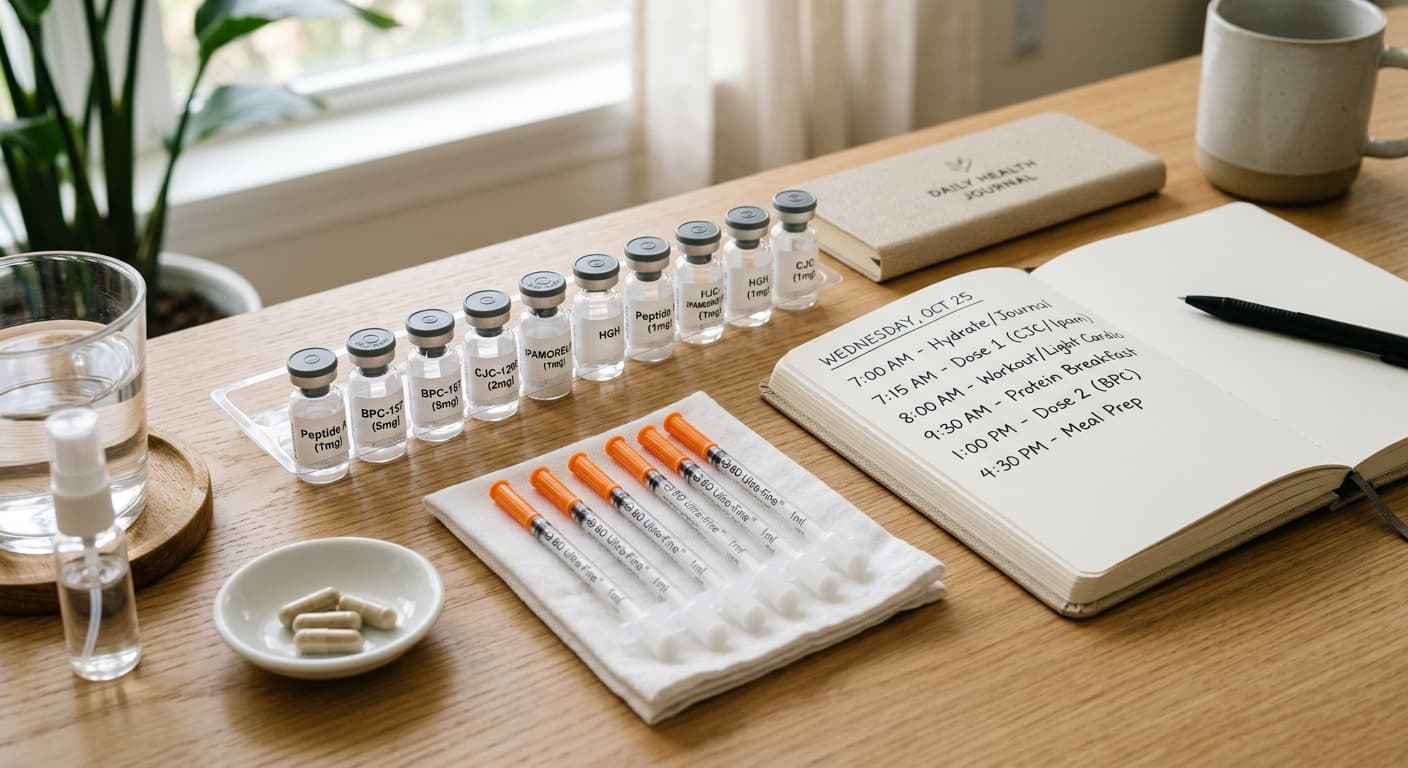

What is BPC-157?
BPC-157, or Body Protection Compound-157, is a synthetic pentadecapeptide consisting of 15 amino acids. It is derived from a protein found in human gastric juice and has been the subject of extensive research since its discovery in the 1990s. The peptide sequence is: Gly-Glu-Pro-Pro-Pro-Gly-Lys-Pro-Ala-Asp-Asp-Ala-Gly-Leu-Val.
As a stable gastric pentadecapeptide, BPC-157 demonstrates remarkable stability in gastric acid conditions where most peptides would rapidly degrade. This unique property, combined with its research profile, has made it one of the most studied peptides in regenerative research.
BPC-157 Mechanism of Action
The Gastric Juice Connection
BPC-157 is derived from Body Protection Compound, a protein isolated from human gastric juice. The significance of this origin relates to the protective and healing properties associated with gastric secretions:
Multiple Pathways of Action
Research has identified several mechanisms through which BPC-157 may exert its effects:
1. Nitric Oxide (NO) System
2. Growth Factor Interaction
3. FAK-Paxillin Pathway
4. Dopaminergic System
Peptide Profile
| Property | Details |
|---|---|
| Full Name | Body Protection Compound-157 |
| Sequence | Gly-Glu-Pro-Pro-Pro-Gly-Lys-Pro-Ala-Asp-Asp-Ala-Gly-Leu-Val |
| Amino Acids | 15 (Pentadecapeptide) |
| Molecular Weight | 1419.53 g/mol |
| Purity | 99%+ (HPLC verified) |
| Stability | Stable in gastric acid |
| Form | Lyophilized powder |
Research Applications
Tissue Healing Studies
BPC-157 has been extensively studied in various tissue repair models:
Gastrointestinal Research
Musculoskeletal Research
Soft Tissue Research
Organ Protection Studies
Research has examined BPC-157's effects on various organ systems:
Liver Protection
Cardiovascular Research
Neurological Studies
Comparison Research
BPC-157 is often studied alongside other healing peptides:
| Peptide | Primary Research Focus | Mechanism |
|---|---|---|
| BPC-157 | Systemic healing, GI protection | Multiple pathways |
| TB-500 | Muscle/connective tissue | Actin sequestration |
| GHK-Cu | Skin/collagen | Copper delivery |
| Thymosin Alpha-1 | Immune modulation | T-cell activation |
For researchers comparing healing peptides, see our guide on TB-500 research.
Dosage Protocols in Research
Reconstitution
BPC-157 requires reconstitution from lyophilized form:
Standard Protocol:
| Vial Size | Bacteriostatic Water | Concentration |
|---|---|---|
| 5mg | 2ml | 2.5mg/ml (2500mcg/ml) |
| 5mg | 2.5ml | 2mg/ml (2000mcg/ml) |
Step-by-Step Reconstitution:
Use our peptide calculator for precise concentration calculations.
Research Dosing Ranges
Published research has utilized various dosing approaches:
Systemic Administration (Literature)
Local Administration (Literature)
Enjoying this article?
Subscribe to get notified when we publish new experiment reports and research findings.
No spam, unsubscribe anytime.
Specific dosing should be determined based on research design and institutional guidelines.
Storage and Stability
Unique Stability Profile
Unlike many peptides, BPC-157 demonstrates notable stability:
Recommended Storage
Lyophilized Form:
Reconstituted Solution:
See our complete storage guide for detailed protocols.
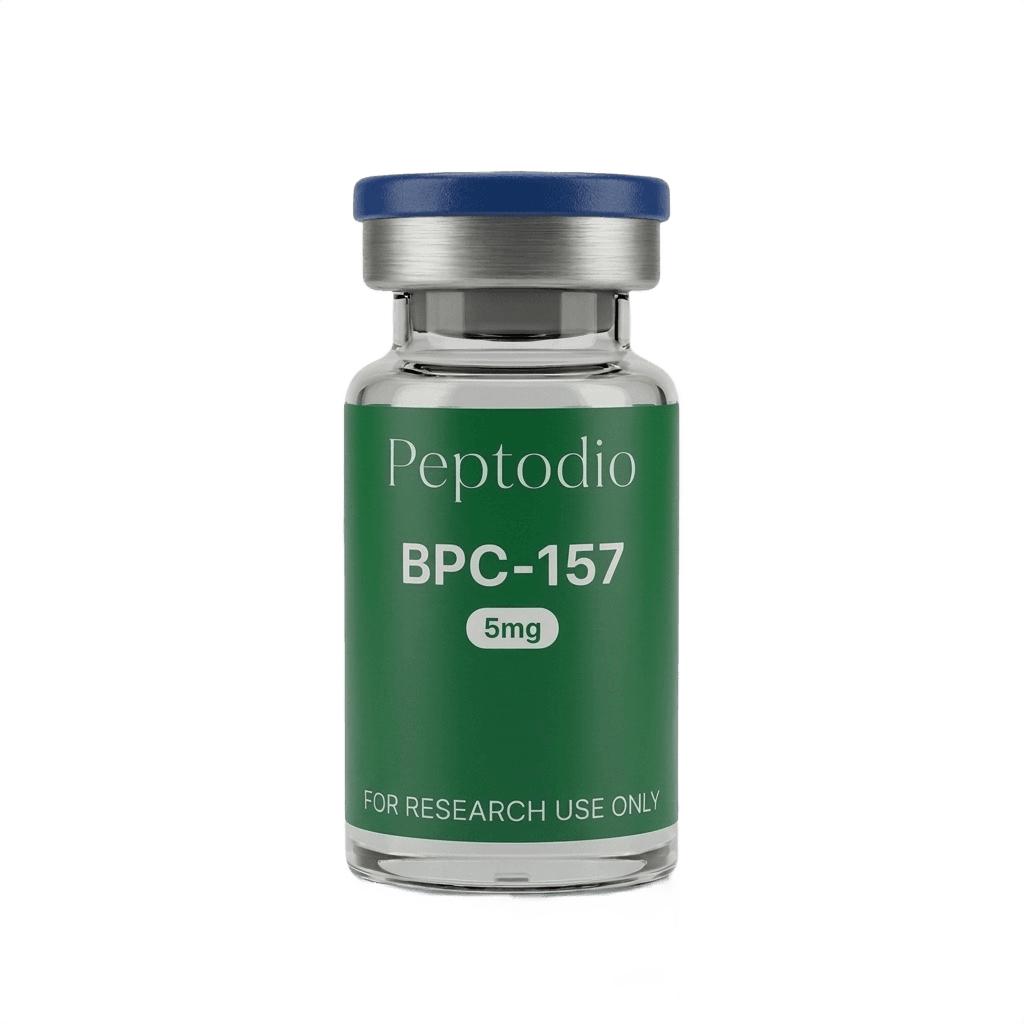
BPC-157 vs TB-500: Research Comparison
Researchers often compare these two healing peptides:
Mechanism Differences
BPC-157:
TB-500:
Complementary Research
Some research protocols examine both peptides:
See the BPC-157 + TB-500 stack for combination research.
Safety Profile in Research
Animal Study Observations
Extensive animal research has characterized BPC-157:
No LD50 Established
Toxicity Studies
Research Considerations
Research Quality Considerations
Selecting Research-Grade BPC-157
Essential Quality Markers:
Equipment Requirements
Frequently Asked Questions
What makes BPC-157 stable in gastric acid?
BPC-157's unique amino acid sequence and tertiary structure provide resistance to acid hydrolysis. This stability relates to its origin as a fragment of a gastric protein evolved to function in the stomach's harsh environment. Most peptides denature at pH 2-3, while BPC-157 remains active.
How does BPC-157 compare to TB-500 for research?
BPC-157 operates through multiple mechanisms including NO modulation, growth factor upregulation, and FAK-paxillin activation. TB-500 primarily works through actin sequestration and cell migration. BPC-157 shows particular strength in GI and systemic research, while TB-500 excels in muscle/connective tissue models. Many researchers study both.
What is the recommended storage for BPC-157?
Store lyophilized BPC-157 at -20°C for maximum long-term stability. Once reconstituted with bacteriostatic water, refrigerate at 2-8°C and use within 4-6 weeks. BPC-157 has better stability than many peptides but should still follow standard cold storage protocols.
Is BPC-157 approved for human use?
No. BPC-157 is classified as a research peptide and is not approved by the FDA or other regulatory agencies for human use. It is sold strictly for laboratory and research purposes. All published data comes from animal models and in vitro studies.
What concentration should BPC-157 be reconstituted to?
Common research concentrations include 2-2.5mg/ml (2000-2500mcg/ml). For a 5mg vial, adding 2ml of bacteriostatic water yields 2.5mg/ml. Use our peptide calculator to determine the appropriate volume for your desired concentration.
How long does reconstituted BPC-157 remain stable?
Reconstituted BPC-157 stored at 2-8°C typically maintains stability for 4-6 weeks. Some research suggests BPC-157 may have better reconstituted stability than many peptides due to its inherent acid-stability, but standard protocols recommend use within this timeframe.
Related Research Resources
Expand your understanding with these additional resources:
Conclusion
BPC-157 stands as one of the most extensively researched healing peptides, with a unique stability profile and multi-pathway mechanism of action. From gastrointestinal protection to musculoskeletal repair, the published research spans numerous tissue types and injury models.
For researchers entering this field, BPC-157 offers a well-characterized tool with extensive literature support. Proper handling, quality sourcing, and rigorous documentation ensure valid and reproducible research outcomes.
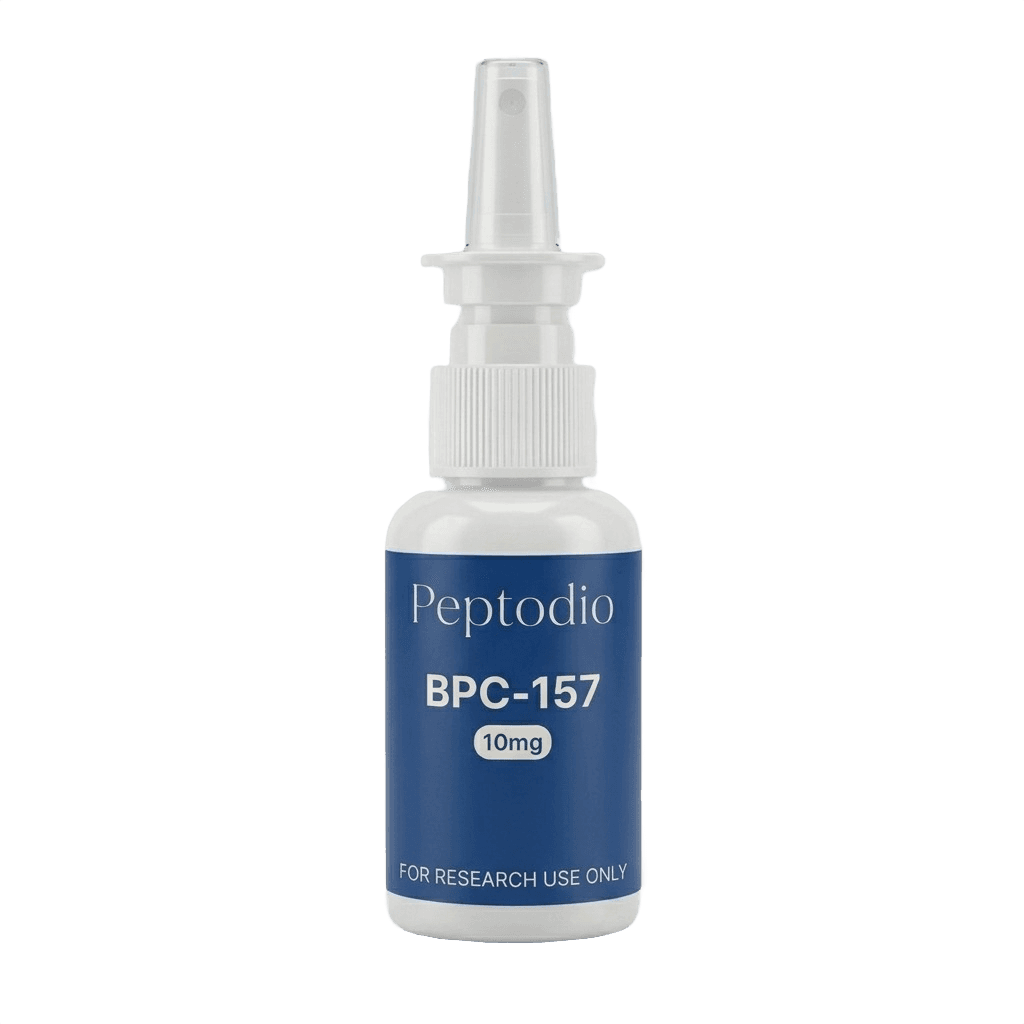
Related BPC-157 Products
This article is for informational purposes only. BPC-157 is sold for research purposes and is not intended for human consumption. All research should be conducted in accordance with applicable regulations and institutional guidelines.