The Two Questions Behind Every Panicked Post
Two things happen to almost everyone on their first reconstitution, and both generate the same "did I just ruin a $60 vial?" post:
Short version: you're fine. But "you're fine" is an unsatisfying answer, and some of the advice floating around forums is confidently wrong in both directions. So here's the actual mechanism behind each one, and where the real risk sits.
Part 1: Why Peptide Vials Are Under Vacuum
Mild underpressure is the standard, not a defect
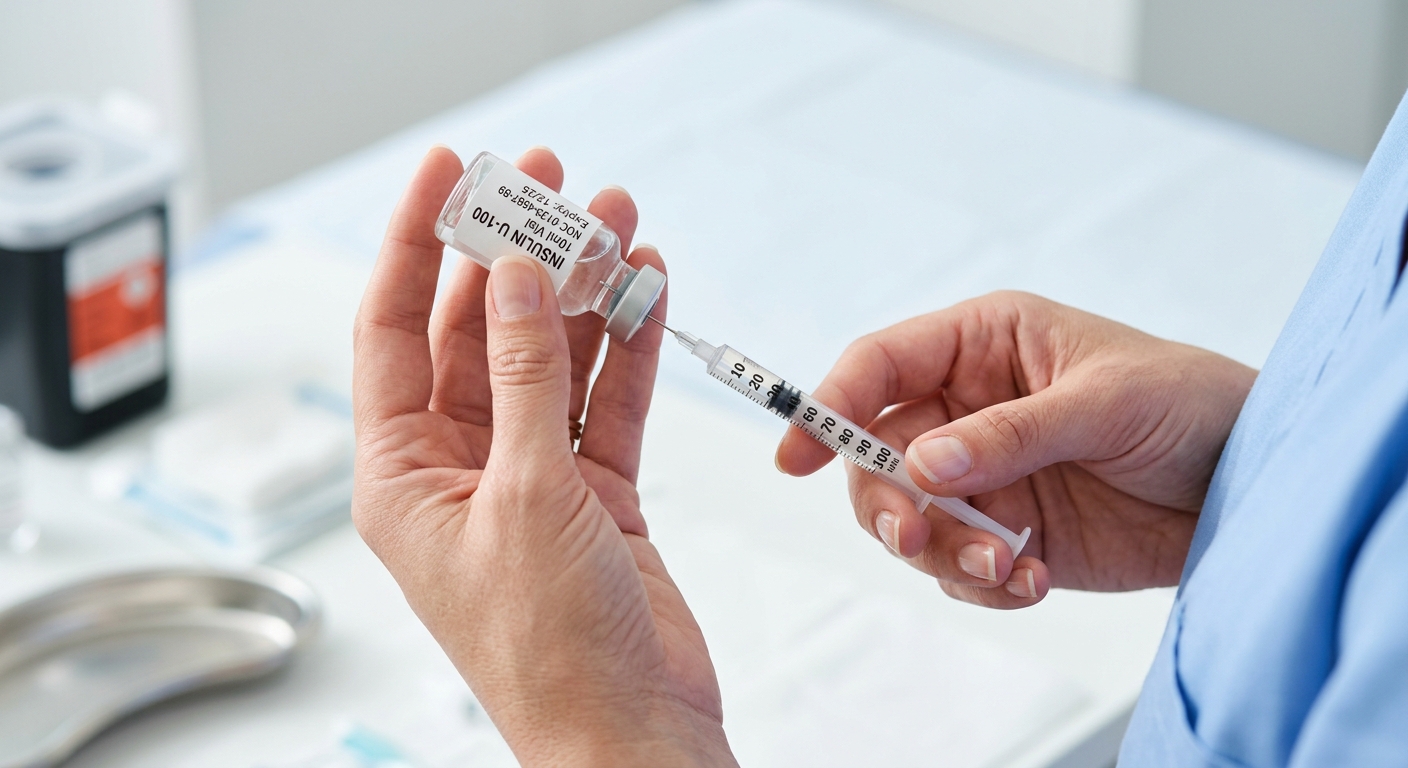
Lyophilized (freeze-dried) peptides are dried inside a vacuum chamber. The last step of the cycle is stoppering the vials while they're still in that chamber. What happens next determines the pressure you feel at home:
Either way, a properly packaged vial should be at mild negative pressure. That's what your supplier was describing, and it's the correct answer.
Why they do it on purpose
It keeps the cake dry. Residual moisture is the main driver of degradation in a lyophilized powder. A sealed, low-pressure headspace means no humid room air sitting on top of your peptide for the next two years.
It keeps oxygen out. Peptides with methionine, cysteine, or tryptophan residues oxidize. Nitrogen backfill displaces the oxygen that would otherwise do that slowly over shelf life.
It's a seal-integrity test. This is the part most people miss. Vacuum decay is a standard, validated method for leak-testing lyophilized product-package systems in pharma manufacturing. If a vial holds vacuum months after packaging, the stopper and crimp are intact. If the vacuum is gone, something leaked. The vacuum you feel is evidence the seal did its job.
So the common reassurance - that underpressure is a good sign, because it means no air got in and the powder stayed dry - is correct, and it's the same logic the manufacturer uses.
What overpressure would mean
Positive pressure in a vial that should be lyophilized under vacuum is the one you'd actually want to ask about. Possible causes:
Note that you can't reliably diagnose this from plunger feel alone, which is why the "I felt resistance so it must be overpressure" conclusion is usually wrong. See the next section.
Part 2: Why the Plunger Resisted, Then Gave Way
This is the single most common reconstitution experience, and it almost never means the vial was bad.
The partial stopper plug
The dominant cause: the needle tip isn't fully through into the headspace. You pierce the top of the stopper, the bevel ends up embedded in rubber, or it tracks sideways through the stopper body. The lumen is partly blocked, so:
That final rush is what foams your solution. It's a mechanical artifact of the plug clearing, not a sign of anything wrong with the peptide.
Stopper coring
If you pierce the exact same spot repeatedly, or use a large-gauge needle at a bad angle, you can punch a small plug of rubber out of the stopper. That core can sit in the needle lumen and behave exactly like the above. It can also end up in your solution - visible as a tiny dark fleck. That one's worth noticing, since it means the stopper's reseal integrity is compromised at that site.
Incomplete vacuum
Sometimes a vial genuinely has less vacuum than the full fill volume requires. Your 2mL goes in, 1.6mL is pulled by the pressure differential, and you have to push the rest. Completely normal - the vacuum was sized for the manufacturer's process, not for however much bacteriostatic water you decided to use.
The technique that avoids all of it
Insert the needle fully, then let go of the plunger. You should not be pushing. Hold the syringe barrel, keep gentle backward tension on the plunger if anything, and let the pressure differential pull the water in on its own.
Part 3: Does Foaming Actually Destroy Peptide?
Here's where forum advice splits, and both camps are partly right.
The real mechanism (why the concern exists at all)
Foam means a huge amount of air-water interface. The interface is hydrophobic on one side, and proteins are surface-active - they migrate to it, unfold to expose their hydrophobic core to the air, and those unfolded molecules can then aggregate with each other. Agitation and interfacial stress are well-documented causes of aggregation in protein pharmaceuticals. This is exactly why monoclonal antibody formulations ship with surfactants like polysorbate 80, and why you're told never to shake an insulin or hGH vial.
So the dismissive version - peptide fragility is a myth, stop worrying - is too strong. The mechanism is real and the pharma industry spends serious money on it.
Why it mostly doesn't apply to your GHK-Cu
Interfacial denaturation requires something to denature. It's a folding problem - you need tertiary structure that can come apart and expose a hydrophobic interior.
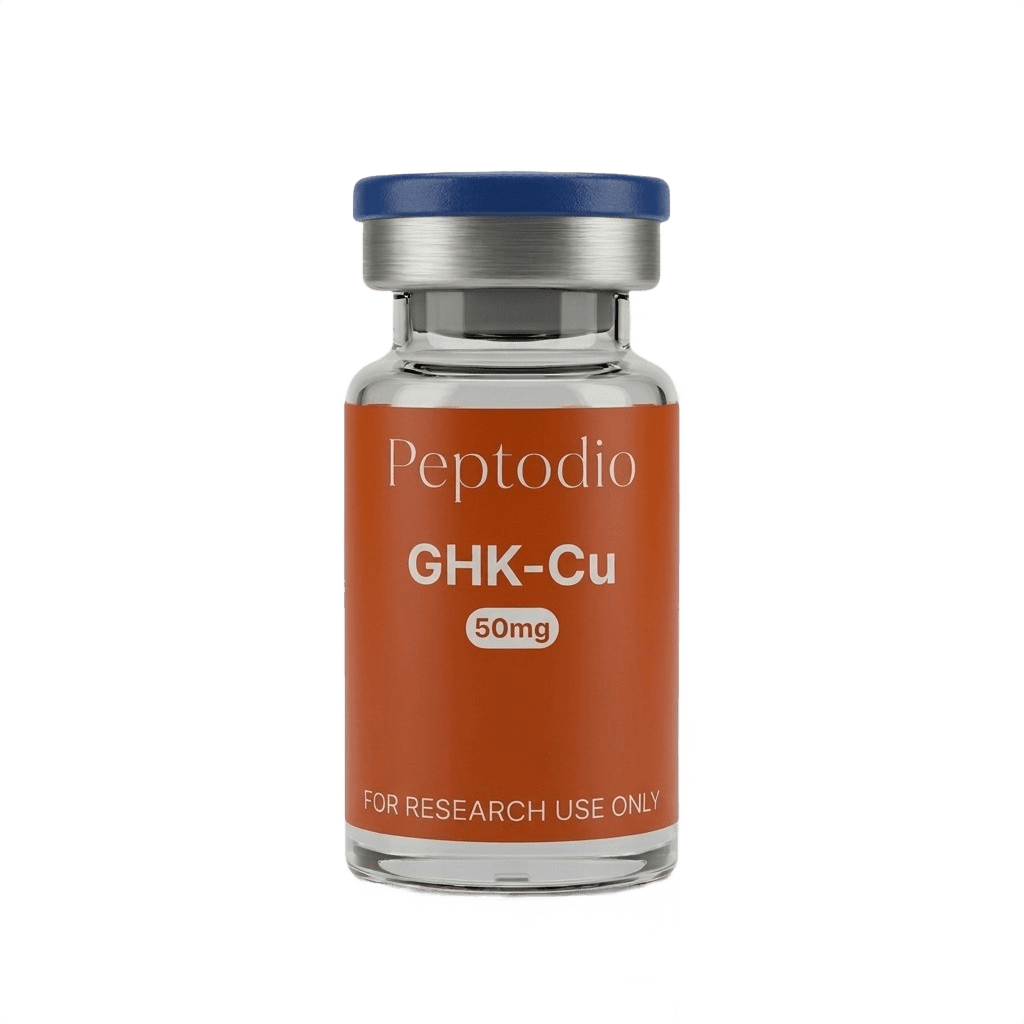
GHK-Cu is a tripeptide: glycine-histidine-lysine, complexed with copper. Three residues. There is no tertiary structure to lose. There is no hydrophobic core to expose. It cannot unfold because it was never folded.
The same logic covers most of what's in a typical research peptide fridge:
| Compound | Length | Interfacial risk from foam |
|---|---|---|
| GHK-Cu | 3 aa | Negligible |
| Semax | 7 aa | Negligible |
| Selank | 7 aa | Negligible |
| PT-141 | 7 aa | Negligible |
| Epithalon | 4 aa | Negligible |
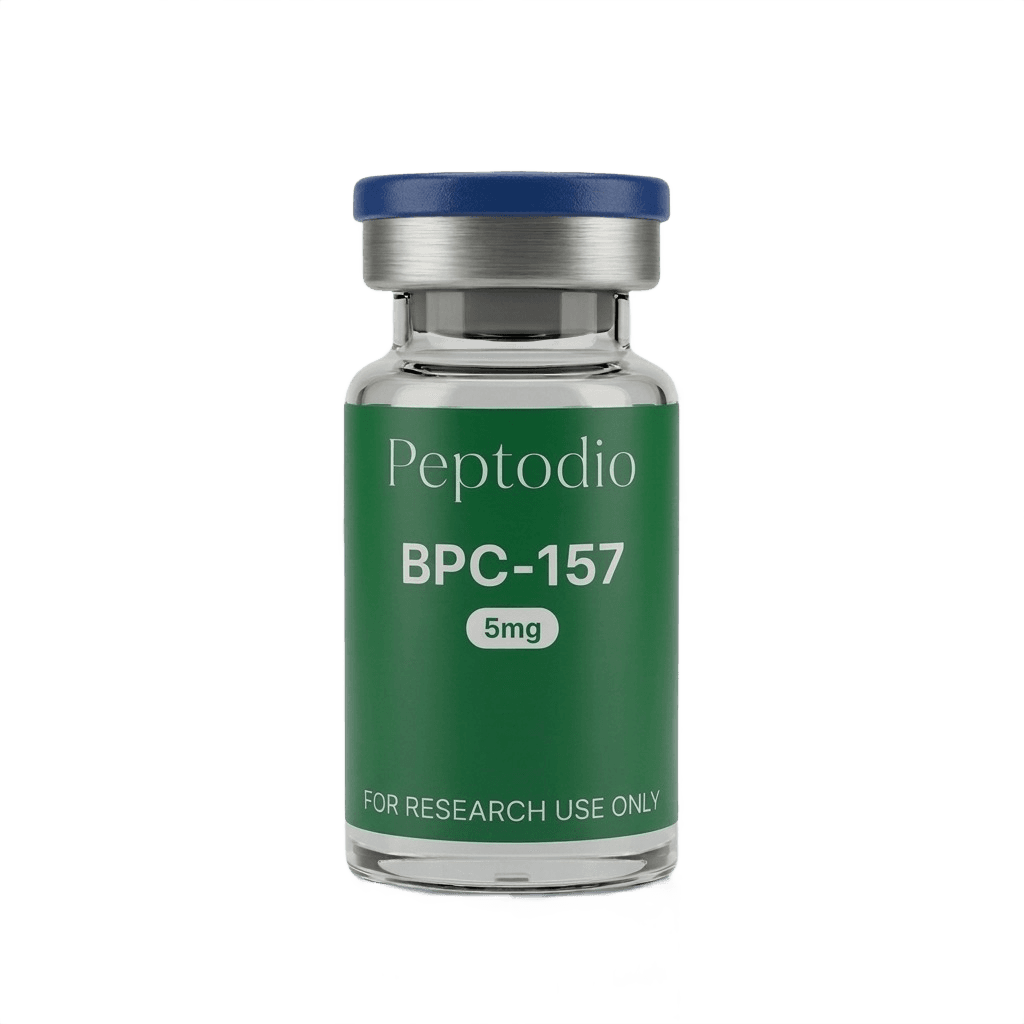
| BPC-157 | 15 aa | Very low |
| TB-500 | 43 aa | Low |
| Semaglutide, tirzepatide | 31-39 aa | Low, but avoid vigorous shaking |
| hGH, hCG, larger proteins | 100+ aa | Genuinely care about this |
Enjoying this article?
Subscribe to get notified when we publish new experiment reports and research findings.
No spam, unsubscribe anytime.
Short, unstructured peptides are simply not the molecules this failure mode was described for. The reassurance you usually get - that GHK-Cu survives more than people think - happens to be right, and for the right reason.
What foaming actually costs you
Two things, and neither is peptide destruction:
Dosing accuracy. This is the one that matters in practice. Foam makes the meniscus impossible to read and puts air into your draw. If you pull 0.25mL of half-foam, you did not dose 0.25mL. Wait for it to settle before you draw anything.
A trivial amount of surface-adsorbed peptide. Some molecules sit at the bubble surfaces and a fraction of those don't come back into solution. At research concentrations this is well inside the noise of your pipetting accuracy.
What to do with a foamed vial
Nothing dramatic:
GHK-Cu should go clear blue to blue-violet when dissolved. That's the copper complex, and it's the expected result - not a sign of anything wrong.
What Actually Degrades Your Peptides
If you want to spend your worry budget efficiently, spend it here instead of on foam:
Heat. The single biggest factor. Peptide left on a counter in a warm room for a weekend is a real loss. Foam is not.
Repeated freeze-thaw. Freeze reconstituted solution once if you must, not five times. Ice crystal formation and freeze-concentration do measurable damage.
Light. Tryptophan and tyrosine residues are photosensitive. Keep vials in the box.
Contamination. Non-bacteriostatic water in a multi-use vial, a reused needle, a stopper you didn't swab. This is the one that can actually hurt you rather than just your yield.
Time in solution. Reconstituted peptide has a shelf life measured in weeks at fridge temperature, not years. Mix what you'll use.
Wrong diluent. Bacteriostatic water for anything you'll access more than once. Sterile water is single-use only - no preservative.
Full breakdown in our peptide storage guide.
How to Tell If a Peptide Is Actually Degraded
Signs worth investigating, in rough order of how much they should concern you:
Foam on top of an otherwise clear solution is on none of those lists.
The Straight Answers
Is mild underpressure standard? Is it what you want?
Yes, and yes for lyophilized product. It keeps moisture and oxygen out, and it doubles as proof the seal is intact. It's what you want to hear from a supplier.
It resisted, then everything rushed in at once. Was the pressure wrong?
Almost certainly not. That's the signature of a partially plugged needle in the stopper, and it's the most common reconstitution experience there is. Insert the needle fully and let the vacuum pull rather than pushing.
It foamed. Did a lot of peptide get destroyed?
No. GHK-Cu is a tripeptide with no structure to denature. Let it settle, swirl gently, and draw once it's clear. The only real cost would have been a mis-measured dose if you'd drawn through the foam.
The water was supposed to go slowly down the glass wall and it didn't. How much does that matter?
That is the correct technique and worth doing next time. It's a best practice, not a requirement - missing it on a short peptide costs you essentially nothing.
The Meta-Lesson
Being new and asking questions is how you avoid the mistakes that actually matter. But the peptide handling advice ecosystem has a calibration problem: a lot of the "be extremely gentle" guidance is inherited from monoclonal antibody and hGH handling, where it's genuinely critical, and then applied to tripeptides where it isn't.
Learn which rules exist for which reason. Don't shake your hGH is load-bearing. Don't let your GHK-Cu foam is tidiness. Don't leave anything in a hot car applies to all of it.
If you want the math side covered too, the reconstitution basics walkthrough and the calculator will handle your concentration and dose volumes.
Reconstitution Essentials
Have a vial that looks genuinely off? Describe what you're seeing through the [contact page](/contact) - cake appearance and storage history tell us more than anything else.
Disclaimer: This article is for informational purposes only and is not medical advice. Peptides are sold for research purposes and are not intended for human consumption.