Why Dosage Planning Matters
One of the most common questions in peptide research is "how much should I take?" The answer isn't one-size-fits-all. Proper dosage planning considers multiple factors including body weight, experience level, goals, and individual tolerance.
Getting your dosage right is crucial for two reasons:
This guide covers dosage planning principles for the most popular peptide categories, with specific protocols you can reference for your research.
Factors That Affect Peptide Dosing
Body Weight
Many peptide dosages are calculated on a per-kilogram basis. A 200 lb (90 kg) individual may require different dosing than someone at 150 lbs (68 kg). However, not all peptides are weight-dependent:
Weight-Dependent Dosing:
Fixed-Dose Protocols:
Experience Level
Your peptide experience significantly impacts starting doses:
Beginners (< 3 months experience):
Intermediate (3-12 months):
Advanced (1+ years):
Individual Response
Even with identical protocols, two people may respond differently due to:
This is why starting low and adjusting based on response is the gold standard approach.
Understanding Titration
What is Titration?
Titration is the process of gradually increasing your dose over time. Rather than starting at your target dose, you begin low and incrementally increase until you reach the desired level.
Why Titrate?
Minimize Side Effects
Your body needs time to adjust. GLP-1 peptides, for example, commonly cause nausea—but this effect diminishes significantly with proper titration.
Find Your Optimal Dose
Many people find effectiveness at doses lower than the maximum. Without titration, you might overshoot your sweet spot.
Build Tolerance Gradually
Receptors can become desensitized if overwhelmed. Gradual increases help maintain sensitivity.
Titration Best Practices
Weight Loss Peptide Protocols
Weight loss peptides (GLP-1 agonists and related compounds) require careful titration due to their GI effects.
Semaglutide Protocol
Semaglutide has the most established protocol based on extensive clinical trials:
| Phase | Weeks | Dose | Frequency |
|---|---|---|---|
| Titration 1 | 1-4 | 0.25mg | Once weekly |
| Titration 2 | 5-8 | 0.5mg | Once weekly |
| Titration 3 | 9-12 | 1.0mg | Once weekly |
| Titration 4 | 13-16 | 1.7mg | Once weekly |
| Maintenance | 17+ | 2.4mg | Once weekly |
Key Points:
Retatrutide Protocol
Retatrutide is a triple agonist (GLP-1/GIP/Glucagon) with more potent effects:
| Phase | Weeks | Dose | Frequency |
|---|---|---|---|
| Titration 1 | 1-4 | 0.5mg | Once weekly |
| Titration 2 | 5-8 | 1mg | Once weekly |
| Titration 3 | 9-12 | 2mg | Once weekly |
| Titration 4 | 13-16 | 4mg | Once weekly |
| Titration 5 | 17-20 | 8mg | Once weekly |
| Maintenance | 21+ | 12mg | Once weekly |
Key Points:
What People Get Wrong:
Tirzepatide Protocol
| Phase | Weeks | Dose | Frequency |
|---|---|---|---|
| Titration 1 | 1-4 | 2.5mg | Once weekly |
| Titration 2 | 5-8 | 5mg | Once weekly |
| Titration 3 | 9-12 | 7.5mg | Once weekly |
| Titration 4 | 13-16 | 10mg | Once weekly |
| Titration 5 | 17-20 | 12.5mg | Once weekly |
| Maintenance | 21+ | 15mg | Once weekly |
Weight Loss Peptide Tips
Recovery Peptide Protocols
Recovery peptides like BPC-157 and TB-500 have simpler dosing but different administration patterns.
BPC-157 Protocol
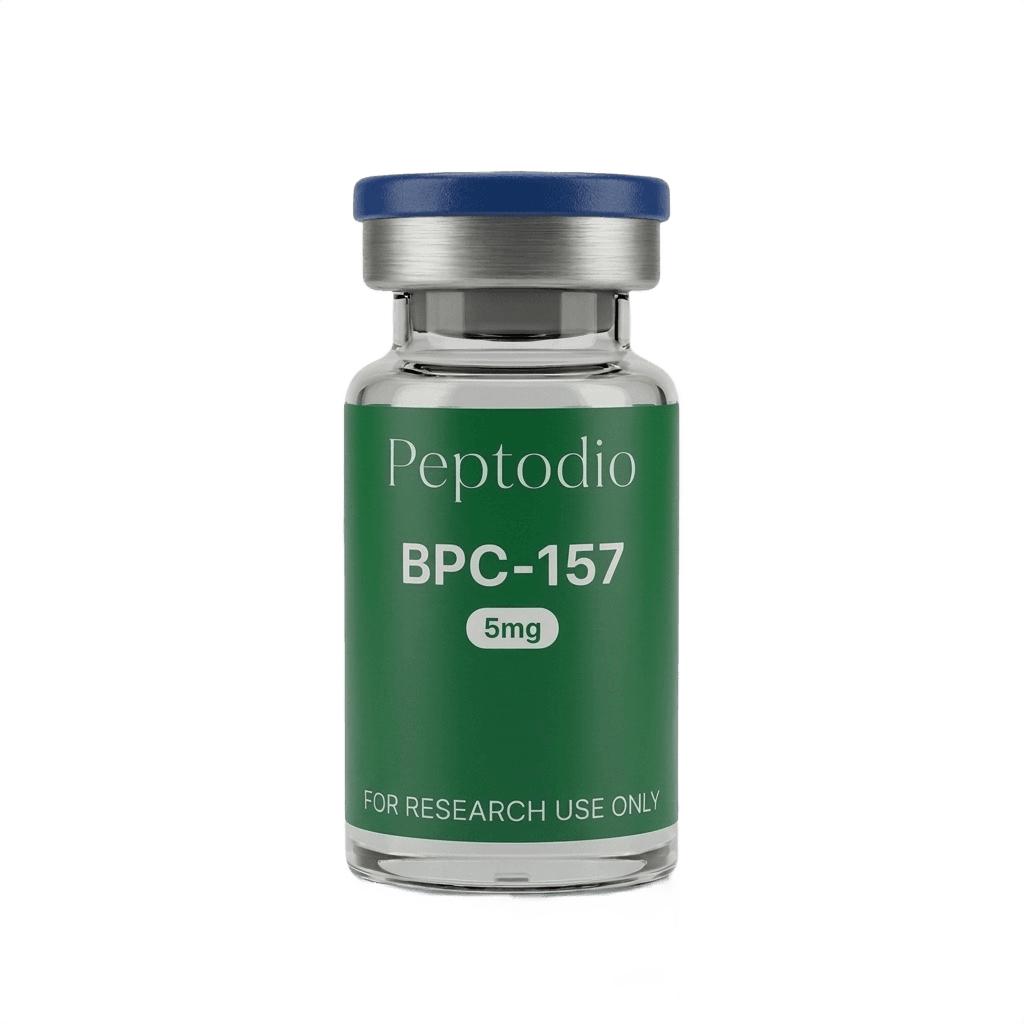
BPC-157 doesn't require titration—you can start at your target dose:
| Protocol | Dose | Frequency | Duration |
|---|---|---|---|
| Standard | 250mcg | Once daily | 4-8 weeks |
| Aggressive | 250mcg | Twice daily | 4-6 weeks |
| High Dose | 500mcg | Once daily | 4-8 weeks |
Administration Tips:
TB-500 Protocol
TB-500 requires a loading phase for tissue saturation:
| Phase | Weeks | Weekly Dose | Frequency |
|---|---|---|---|
| Loading | 1-6 | 5mg total | 2.5mg twice weekly |
| Maintenance | 7+ | 2.5mg total | Once weekly |
Key Points:
BPC-157 + TB-500 Stack
The combination is popular for enhanced recovery:
| Peptide | Dose | Frequency |
|---|---|---|
| BPC-157 | 250mcg | Once daily |
| TB-500 | 2.5mg | Twice weekly (loading) |
Enjoying this article?
Subscribe to get notified when we publish new experiment reports and research findings.
No spam, unsubscribe anytime.
This stack addresses healing through different mechanisms, potentially providing synergistic benefits.
Recovery Peptide Options
Growth Hormone Peptide Protocols
GH-releasing peptides require specific timing relative to food intake.
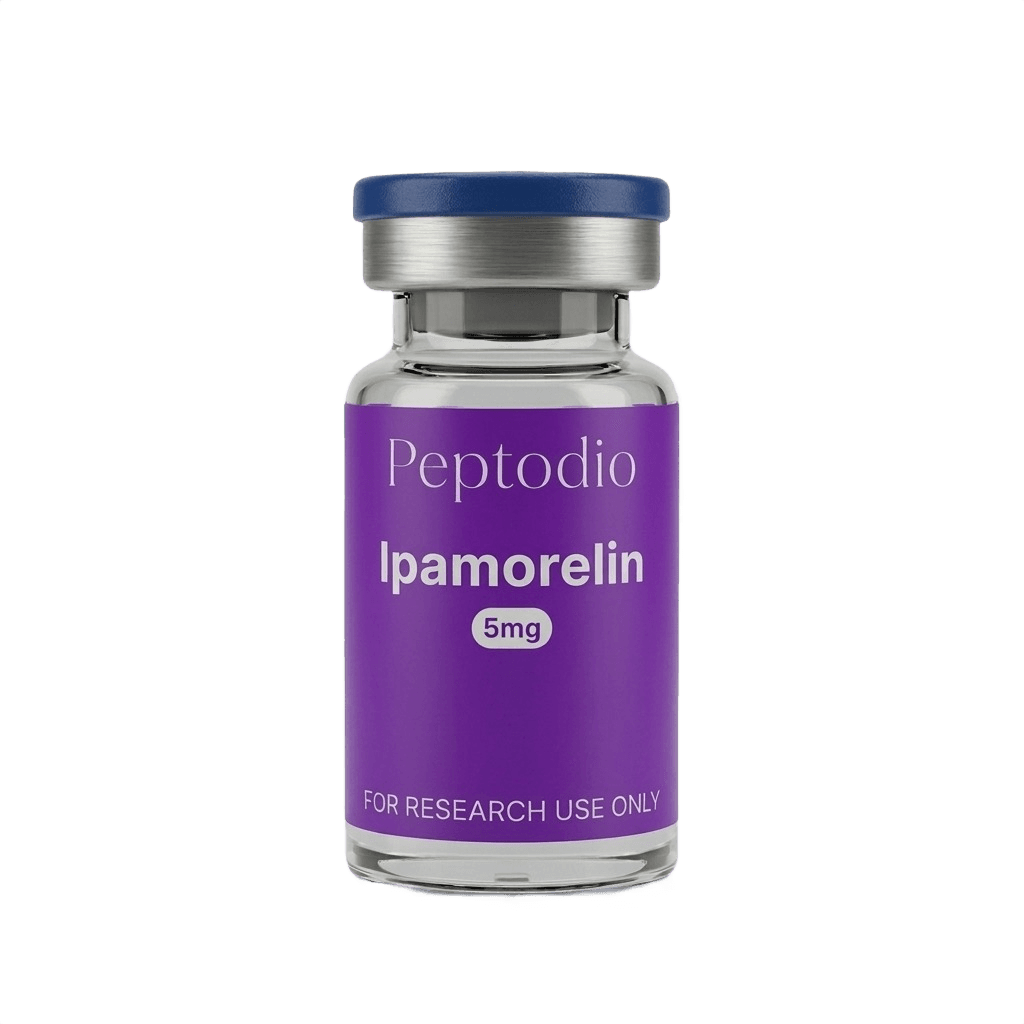
Ipamorelin Protocol
| Experience | Dose per Injection | Frequency | Timing |
|---|---|---|---|
| Beginner | 100mcg | 2x daily | Morning + Bedtime |
| Standard | 200mcg | 2x daily | Morning + Bedtime |
| Advanced | 300mcg | 3x daily | Morning + Pre-workout + Bedtime |
Critical Timing Rules:
CJC-1295 (no DAC) Protocol
Always combined with a GHRP like Ipamorelin:
| Peptide | Dose | When |
|---|---|---|
| CJC-1295 | 100mcg | With each Ipamorelin dose |
| Ipamorelin | 200mcg | 2-3x daily, fasted |
Why Combine?
GHRP-6 Protocol
GHRP-6 is more potent but causes significant hunger:
| Experience | Dose | Frequency | Note |
|---|---|---|---|
| Beginner | 50mcg | 2x daily | Strong hunger effect |
| Standard | 100mcg | 2x daily | Intense hunger |
| Advanced | 150mcg | 3x daily | Very potent |
Best For:
Not Ideal For:
Timing and Frequency Guidelines
When to Inject
Different peptides have different optimal timing:
Morning (Fasted):
Evening/Bedtime:
Any Time:
With Meals:
Frequency Patterns
| Frequency | Examples | Notes |
|---|---|---|
| Once weekly | Semaglutide, Retatrutide, Tirzepatide, CJC-1295 DAC | Long half-life peptides |
| Twice weekly | TB-500 (loading) | Medium half-life |
| Daily | BPC-157, Epithalon (cycles), Melanotan 2 (loading) | Short half-life or loading phases |
| Multiple daily | Ipamorelin, CJC-1295 (no DAC), GHRP-6, Semax, Selank | Very short half-life |
Common Dosing Mistakes
Starting Too High
The most common mistake. People want fast results and start at high doses, then experience:
Solution: Start at the recommended beginner dose regardless of your goals.
Inconsistent Timing
For weekly peptides especially, consistency matters:
Ignoring the Fasted State (GH Peptides)
GH-releasing peptides are significantly less effective with food in your system:
Not Tracking Response
Without documentation, you can't optimize:
Expecting Immediate Results
Peptides aren't magic - they work over time:
Calculating Units to Draw
Once you know your dose in mg or mcg, you need to calculate how many units to draw from your reconstituted vial. This depends on:
Use our Peptide Calculator to get the exact number of units for any dose.
Example:
Frequently Asked Questions
How long should I stay on peptides?
This varies by peptide:
Can I combine multiple peptides?
Yes, many peptides stack well:
Avoid combining peptides with similar mechanisms (e.g., don't stack multiple GLP-1 agonists).
What if I miss a dose?
Should I cycle peptides?
Depends on the peptide:
How do I know if my dose is right?
Signs your dose may be too low:
Signs your dose may be too high:
Conclusion
Proper dosage planning is the foundation of effective peptide research. By understanding titration principles, respecting timing requirements, and starting conservatively, you maximize both effectiveness and safety.
Key takeaways:
Popular Research Peptides
This article is for informational purposes only. Peptides are sold for research purposes and are not intended for human consumption. Always consult with a healthcare professional before starting any new protocol.